
What Makes a Siberian Cat a True Breed? Understanding Pedigrees, Stud Books & Why the cattery Matters
When families begin searching for a kitten in Singapore, it is easy to feel overwhelmed.
Beautiful photos fill social media. Sellers advertise “purebred” kittens. DNA test results are presented as proof of authenticity, and impressive pedigrees are displayed online like certificates of prestige.
But very few people are ever told what a cat breed actually means.
At Winterforest Siberians, we believe choosing a kitten should never feel like navigating marketing terminology or internet confusion. Bringing home a kitten is the beginning of a relationship that may last 15 to 20 years. Understanding where your kitten comes from — and the integrity behind its pedigree — plays an important role in shaping your cat’s future health, temperament, and wellbeing.
Because a true pedigree cat is not simply about appearance.
It is about generations of thoughtful stewardship, careful breeding decisions, and preserving the qualities that make the breed so deeply loved in the first place.
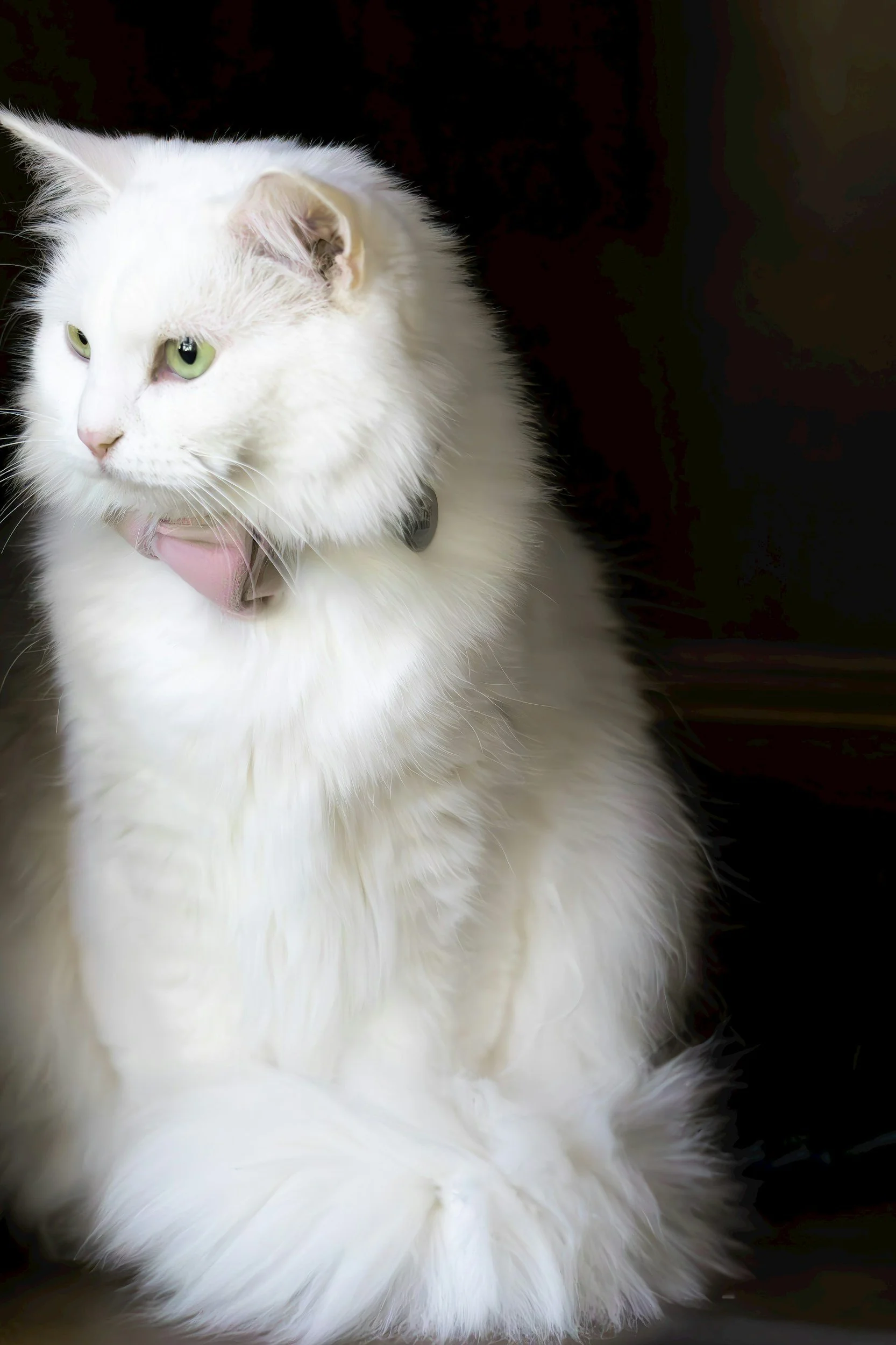
A Breed Is More Than Looks
One of the biggest misconceptions today is the belief that a DNA panel can determine whether a cat is a “real” breed.
Modern pet DNA companies often market breed tests as definitive proof of ancestry. However, pedigree cat breeds do not work the same way as human ancestry tests or wild animal populations.
All pedigree cat breeds are ultimately man-made in the sense that humans developed and formalised them over generations through selective breeding, documented bloodlines, and registry systems.
A Siberian cat is not considered a Siberian simply because a DNA test says so.
A Siberian is a Siberian because its ancestry has been carefully documented through recognised pedigree registries and breeding programs over generations.
Commercial DNA tests compare genetic markers against a company’s own database, which may vary greatly between providers and is often incomplete — especially for naturally occurring breeds like the Siberian. These tests may identify similarities in genetic traits, but they cannot replace verified pedigree ancestry or documented lineage.
This distinction matters because preserving a breed is not simply about producing cats that “look” alike.
It is about preserving:
health,
temperament,
structure,
genetic diversity,
and consistency across generations.
What Does “Naturally Occurring Breed” Actually Mean?
The term naturally occurring breed can sometimes confuse people, especially when they first hear it in relation to Siberian cats.
It does not mean the breed is wild or undomesticated.
Siberians are fully domestic cats that have lived alongside people for centuries.
What “naturally occurring” means is that the breed originally developed from a regional population of domestic cats over a long period of time, rather than being immediately created through intentional modern crossbreeding between existing pedigree breeds.
In colder regions such as Russia, certain traits naturally became more desirable and more common over generations. Cats with thick triple coats, muscular bodies, resilience to harsh climates, intelligence, agility, and adaptable temperaments were simply better suited to surviving the environment while living closely alongside people.
Over time, these traits became increasingly prominent within the local domestic cat population.
Families naturally gravitated toward cats with these qualities because they were hardy, affectionate, intelligent companions and capable hunters. Eventually, breeders and registries began formally recognising these cats for their consistent appearance and temperament.
From there, careful breeding programs were developed to preserve those qualities while maintaining the long-term health and diversity of the breed.
This is part of what makes the Siberian so special.
Their beauty, resilience, intelligence, and balanced temperament were not created overnight. They were shaped gradually over generations through both nature and responsible human stewardship.
Understanding the History Behind Pedigree Cats
Although cats have lived alongside humans for thousands of years, organised pedigree breeding is relatively modern.
Cat registries and breeding programs only became formalised in the late 1800s and early 1900s, when breeders began documenting bloodlines and establishing breed standards.
Over time, different breeds evolved through carefully managed programs designed to preserve specific physical traits, temperaments, and health characteristics.
The Siberian is particularly special because it developed first as a natural regional population before later becoming formalised within modern pedigree registries. This contributes to the breed’s wonderful balance of intelligence, athleticism, resilience, and affectionate temperament.
But preserving those qualities requires responsibility.
Without accurate records and ethical breeding practices, the integrity and long-term health of any breed can quickly deteriorate.
What Is a Stud Book?
A stud book is essentially the official historical record of a breed.
It documents the ancestry of pedigree cats across generations, recording parents, grandparents, and bloodlines within recognised registries.
Think of it as the foundation that protects the breed itself.
Stud books allow breeders to:
trace genetic lines,
maintain breed consistency,
monitor health diversity,
avoid harmful inbreeding,
and make thoughtful decisions for future generations.
Without a stud book, there is no reliable way to verify lineage.
And without verified lineage, there is no true pedigree breeding program.
What Do SBV and SBT Mean?
When reviewing pedigrees, prospective owners may occasionally encounter terms like SBV and SBT.
These terms relate to a cat’s status within the stud book system.
SBV — Stud Book Variant
SBV stands for Stud Book Variant.
An SBV cat may come from:
permitted outcross lines,
developing bloodlines,
incomplete pedigree generations,
or approved foundation cats being integrated into the breed.
This does not mean the cat is lower quality or unhealthy.
In naturally occurring breeds like the Siberian, controlled introduction of new bloodlines has historically helped maintain healthy genetic diversity. SBV status simply reflects that the lineage is still in an earlier stage of integration within the registry system.
SBT — Stud Book Tradition
SBT stands for Stud Book Tradition.
An SBT cat comes from multiple generations of fully documented pedigree ancestors within the same recognised breed, with no recent outcrosses or variant status in the immediate lineage.
In simple terms:
SBV reflects developing or variant lines,
while SBT reflects a more established pedigree line consistently bred within the breed standard over generations.
Both classifications exist to preserve transparency, protect genetic diversity, and maintain the integrity of the breed.
Why Closing the Stud Book Matters
A breed reaches its most stable and protected form when the stud book becomes closed.
A closed stud book means:
no new outside cats can be introduced into the breed,
only registered pedigree descendants may continue the lineage,
and the breed standard becomes fully protected over time.
This is important because a breed is not defined solely by appearance.
A cat may resemble a Siberian visually, but without documented ancestry through recognised breeding systems, there is no reliable way to verify what it truly is genetically or historically.
Pedigrees are not about prestige.
They are about accountability, transparency, and preserving the long-term health of the breed.
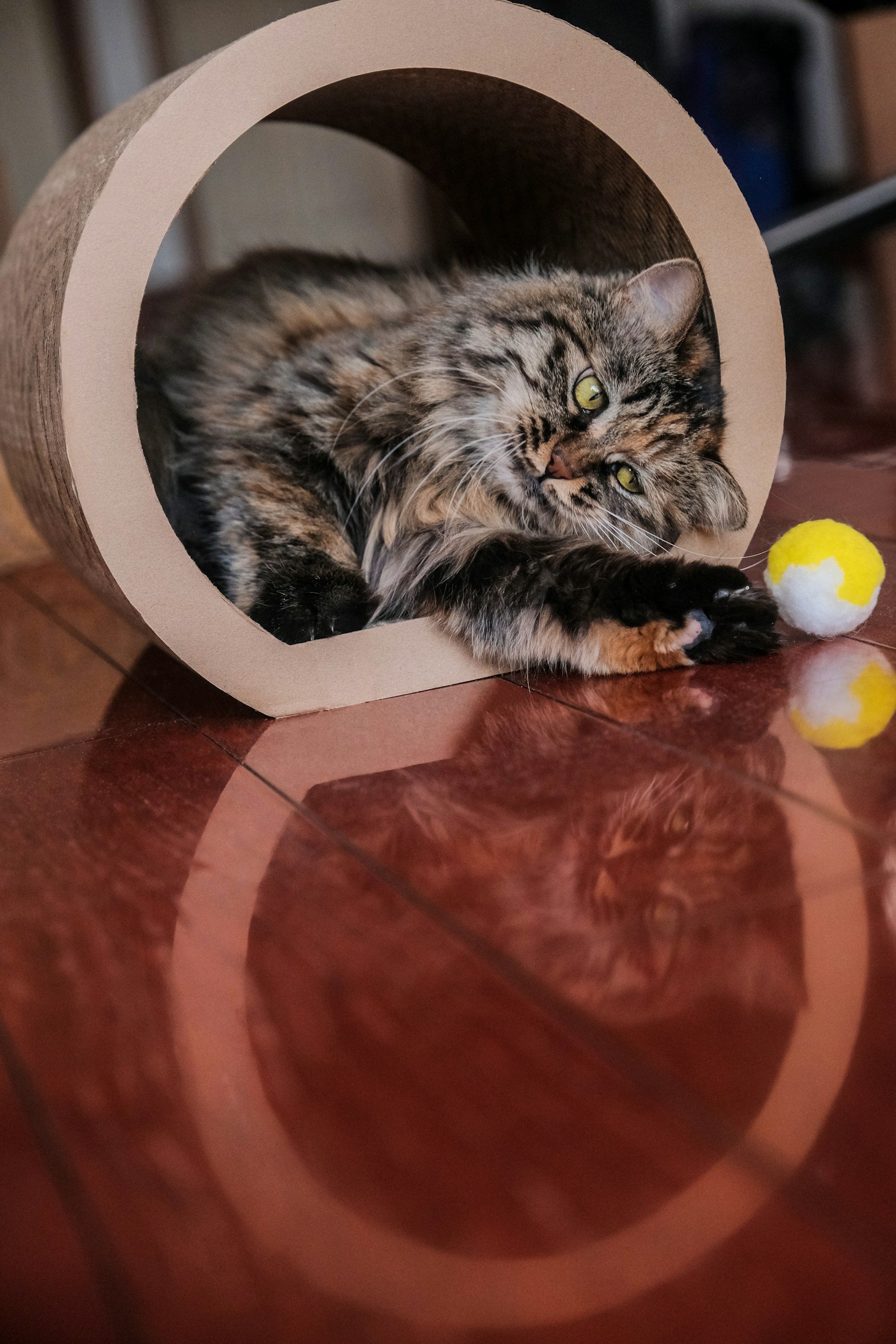
How Ethical Breeding Shapes Your Kitten’s Health
For responsible breeders, pedigrees are not simply pieces of paper.
They are tools used to make careful health decisions across generations.
A well-maintained pedigree allows breeders to:
understand inherited health risks,
preserve genetic diversity,
avoid problematic pairings,
track longevity,
and improve the overall health of future kittens.
This directly affects the kitten that eventually joins your family.
Good breeding is often invisible to buyers because its success is seen quietly over time:
stable temperaments,
healthier immune systems,
balanced personalities,
strong constitutions,
and predictable development.
Ethical breeding is never simply about producing kittens.
It is about protecting the long-term wellbeing of the breed and giving every kitten the healthiest possible start in life.
The Growing Problem of Fake Pedigrees
Unfortunately, as demand for pedigree kittens has grown worldwide, so has pedigree fraud.
Today, many unethical sellers copy real pedigrees, registered cat names, and breeder information found online to create convincing but entirely false lineage documents.
Some may:
alter registry information,
fabricate ancestry,
use real cat names without permission,
or falsely advertise non-pedigree cats as purebred kittens.
The rise of:
social media advertising,
online kitten marketplaces,
AI-generated websites,
and international sales platforms
has made it easier than ever for dishonest breeding operations to appear legitimate.
This is one of the reasons many reputable catteries no longer publicly display full pedigrees of their breeding cats online.
Protecting pedigree information has unfortunately become part of protecting the integrity of the breed itself.
Why Your Relationship With the Breeder Matters
When choosing a kitten, the integrity of the breeder matters far more than marketing.
A trustworthy breeder is not simply someone selling kittens.
They are the guardian of the bloodlines behind your cat and one of the biggest influences on your kitten’s earliest foundation in life.
At Winterforest Siberians, we believe every kitten should begin life with:
ethical breeding practices,
careful socialisation,
proper health planning,
transparent education,
and lifelong breeder support.
Because the breeder you choose influences far more than your kitten’s appearance.
They influence:
your kitten’s early development,
health foundations,
confidence,
temperament,
and long-term wellbeing.
A genuine breeder should remain part of your support system long after your kitten comes home. They should be willing to answer questions, guide new owners, and stand behind the cats they produce throughout the cat’s lifetime.
Choosing a Siberian Kitten With Confidence
As interest in Siberian cats in Singapore continues to grow, we encourage prospective owners to look beyond trends, marketing claims, and internet shortcuts.
Ask questions.
Learn about pedigrees.
Understand the registry.
Get to know the breeder behind the kittens.
Because ultimately, a true pedigree cat is not created by a DNA test or a beautiful website.
It is shaped through generations of ethical decisions, careful health stewardship, documented ancestry, and breeders who genuinely care about protecting the future of the breed.
And that commitment is what helps give your kitten the healthiest possible start in life.