
Cat Licensing in Singapore: What Every New Cat Owner Needs to Know in 2026
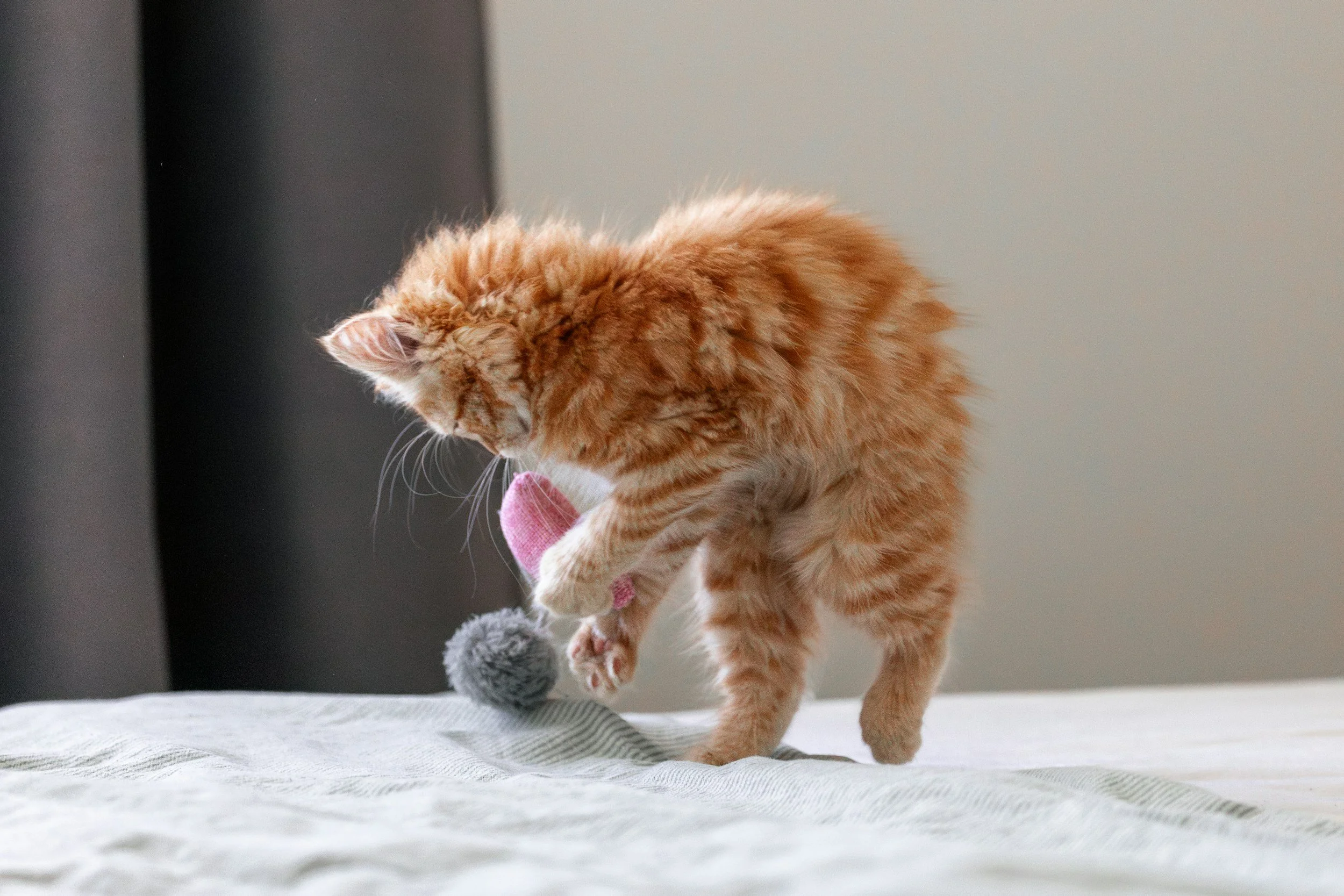
Bringing home a kitten is usually imagined in the loveliest of details.
A little carrier waiting by the door. A new bed. Toys, treats and perhaps far too many things you bought because they were simply too cute to leave behind.
But for a first-time cat owner, there can also be a quieter feeling underneath all the excitement:
“Am I ready for this?”
There is quite a lot to think about — vaccinations, microchipping, sterilisation, deworming, finding a vet, cat-proofing your home, insurance and, now, licensing.
It can sound daunting at first.
The good news is that you don't have to figure everything out at once.
A good cattery should already have taken care of much of the important preparation before your kitten comes home.
What Should Already Be Done Before Your Kitten Comes Home?
At WinterForest, we believe that our responsibility begins long before collection day.
Our kittens are microchipped, vaccinated, dewormed and sterilised, with their health monitored throughout the process. They are also given appropriate time to recover from procedures before they leave us.
This is important because a kitten's first journey home should be about settling into their new family — not recovering from a procedure they have only just undergone.
We provide their relevant health records and guidance so that new owners know what has been done and what comes next.
In other words, we don't want you to bring home a kitten and a long list of medical appointments.
We want you to bring home a kitten who has already had a careful start.
There will, of course, be ongoing veterinary care throughout their life. But that is something you will learn together, one step at a time.
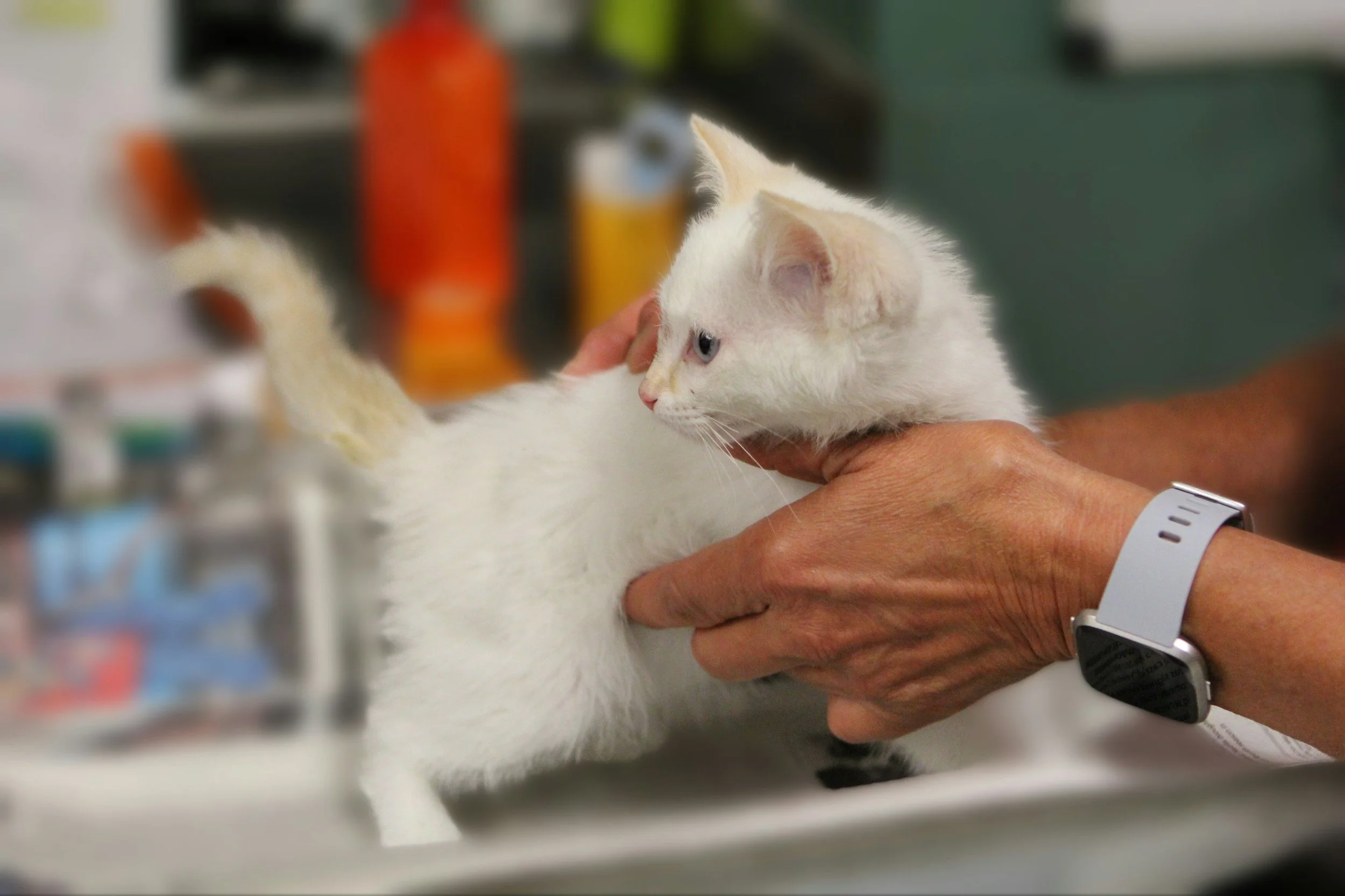
What Is a Microchip?
“Microchipped” can sound rather technical if you've never owned a pet before.
A microchip is a tiny electronic identification device, about the size of a grain of rice, implanted just beneath the skin by a veterinarian.
It is not a GPS tracker and it does not allow anyone to follow your cat's movements.
The chip contains a unique identification number.
When a microchip scanner is passed over your cat, that number can be read and matched to the relevant registration records.
There is no battery to replace and the chip does not continuously transmit a signal.
Most importantly, microchipping is considered a routine and very safe procedure for cats. There is no ongoing maintenance involved, although we recommend having the chip checked during regular veterinary visits.
A microchip is particularly valuable if a cat is ever lost. Collars and tags can come off; a microchip provides a permanent form of identification.
Of course, it is not a substitute for keeping your cat safely indoors or ensuring windows and balconies are secure. It is simply another layer of protection.
And remember to keep your contact information updated if your telephone number or address changes. The microchip can identify your cat, but the information attached to it needs to remain current.
Licensing: The One Simple Piece That Belongs to You
In Singapore, pet cats must be microchipped and licensed. The licence is applied for through AVS's Pet Animal Licensing System (PALS), and first-time applicants must complete the online Pet Ownership Course.
For a WinterForest kitten, the microchip is already taken care of before they leave us.
That means the licensing process is one of the simpler pieces for their new family to complete.
We will provide the information you need; you simply complete the licensing process before your kitten comes home.
It may feel like another piece of paperwork, but licensing is ultimately about traceability and responsible ownership — making sure that, should your cat ever become lost, there is a recognised connection between that little microchip and the family who loves them.
Preparing Your Home
Once the healthcare basics are taken care of, one of the most helpful things you can do is prepare your home before your kitten arrives.
Cats are wonderfully curious creatures, and kittens in particular have a talent for discovering places we never knew existed.
Take a look at:
Windows and balconies — especially in high-rise homes
Screens, mesh and other potential escape points
Gaps behind appliances and furniture
Electrical cords and household chemicals
Medication and small objects that could be swallowed
Potentially toxic plants
Washing machines, dryers and other places a curious kitten might explore
If you're unsure whether your home is sufficiently cat-proof, ask.
We are happy to recommend experienced cat-proofing providers and other pet services to our families.
There is no prize for working everything out yourself.
Finding a Vet and Considering Insurance
It is also comforting to have a veterinarian chosen before you need one.
Look for a clinic where you feel comfortable asking questions and where your cat can have consistent, long-term care.
We are always happy to share veterinary recommendations with our families, whether you are looking for a regular clinic or need advice about where to go in an emergency.
Pet insurance is another consideration worth making while your kitten is young and healthy.
We don't suggest insurance because we expect something to go wrong. Quite the opposite.
It is simply reassuring to know that if an unexpected illness or accident ever occurs, financial concerns are less likely to delay the care your cat needs.
Policies vary considerably, so look carefully at exclusions, waiting periods, deductibles and coverage for hereditary or pre-existing conditions before choosing one.
You Don't Have to Know Everything on Day One
Perhaps the most important thing we want new owners to know is this:
You don't have to become an expert cat owner overnight.
There will be questions.
Some will be wonderfully simple:
“Is this normal?”
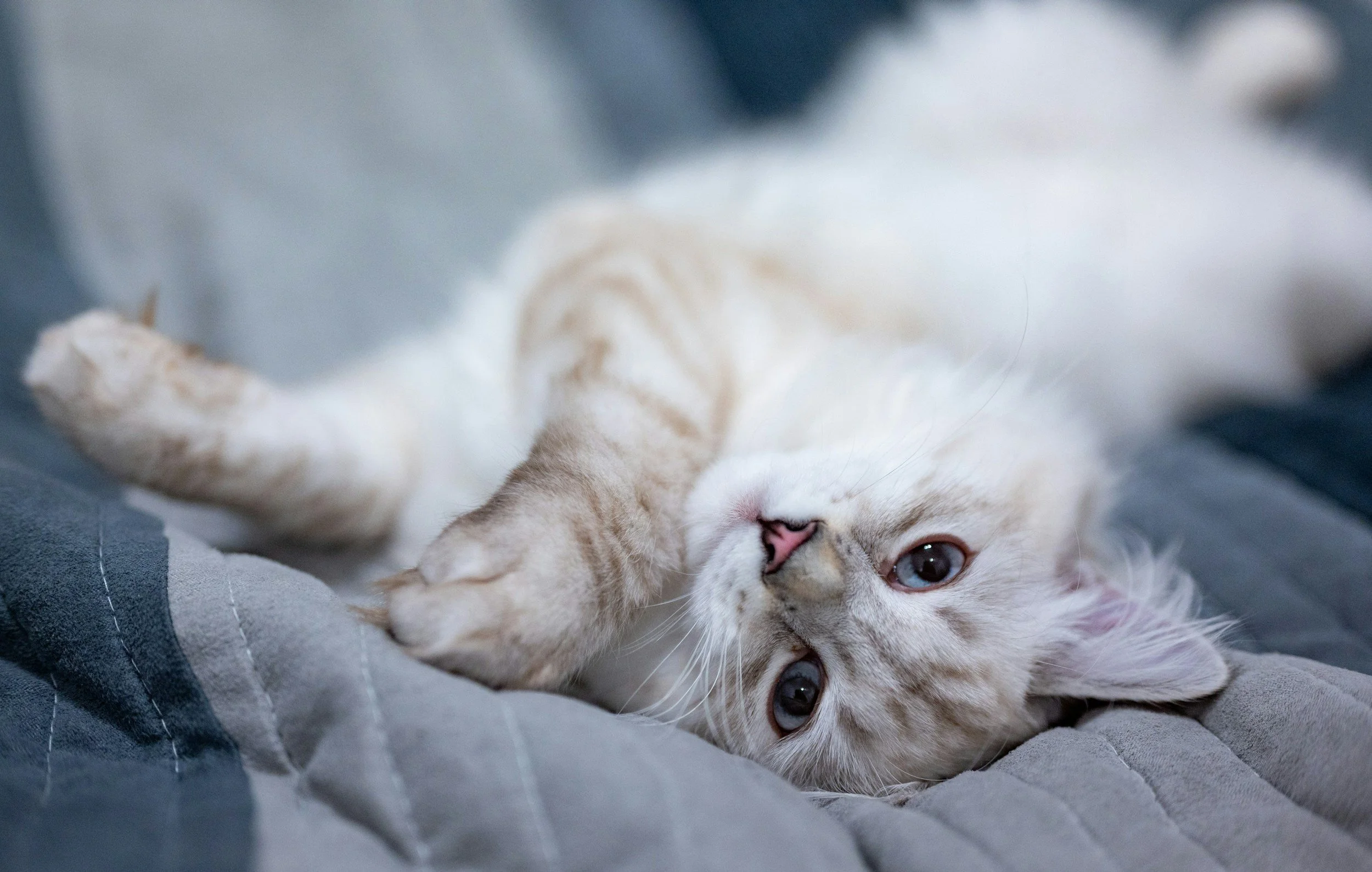
“Why does my kitten sleep like that?”
“Why does he suddenly love the cardboard box more than the expensive bed?”
And others may feel more worrying.
That's okay.
At WinterForest, our relationship with a kitten's family doesn't end when they leave our home.
We remain available throughout their lives.
We can help with questions about food, grooming, behaviour, development, introductions to other pets and all those little things that come with learning your individual cat.
Because we know that bringing home your first kitten can feel like a very big responsibility.
And it is.
But it is also something to enjoy.
A Responsibility We Share
We take our responsibility seriously before a kitten leaves us.
We microchip.
We vaccinate.
We deworm.
We sterilise.
We monitor their health and allow them time to recover.
We provide their records and guidance.
And we remain here afterwards.
In return, we hope to find families who feel the same sense of responsibility towards their kitten.
Not perfection.
Not knowing everything.
Just a willingness to learn, to provide good healthcare, to keep their home safe, to ask for help when needed and, most importantly, to remain committed throughout the many years ahead.
Because the tiny kitten you bring home will eventually become an adult cat, then perhaps an older companion who has shared a remarkable part of your life.
Our promise doesn't end when the kitten leaves WinterForest.
And we hope yours doesn't either.
Responsible cat ownership isn't about getting everything right from the very beginning.
It is simply about caring enough to keep learning, preparing thoughtfully and being there for them — through every stage of their life.
And really, isn't that what bringing a kitten home was always meant to be about?